Why Organic Pet Supplements Matter for Your Dog's Health
When I first started looking into better nutrition for my aging Labrador, I felt overwhelmed by the sheer number of bottles, powders, and chews on the shelves. Every label promised something different, and most of them listed ingredients I could barely pronounce. It took a few expensive mistakes and a lot of late-night reading before I realized that the real difference often comes down to one thing: whether the product is built around organic pet supplements or synthetic shortcuts. That shift in thinking changed how I approach my dog's care entirely.
My experience is not unique. More owners are moving away from mass-produced treats and toward formulations that reflect what we already know about our own health. If a diet rich in whole foods, quality fats, and plant-based compounds helps us feel better, why would it be any different for our pets? The pet nutraceuticals market has exploded in recent years, but not all of those products are created equal. Understanding what makes a supplement truly organic, and how that connects to ingredients like CBD or turmeric, is the key to making smarter choices.
What Are Organic Pet Supplements and Why Do They Matter?
An organic certification on a pet supplement means the ingredients were grown without synthetic pesticides, chemical fertilizers, or genetically modified organisms. For plant-based components like hemp seed oil, turmeric, or mushroom supplements, that distinction matters because it affects both purity and potency. When I give my dog a calming chew made with organic hemp seed oil, I know the oil was extracted from plants raised in clean soil, not sprayed with substances I cannot pronounce. That peace of mind is worth something.
Beyond the farming practices, organic pet supplements often contain a wider array of natural co-factors. A non-organic turmeric extract might be standardized for curcumin content but stripped of the volatile oils that aid absorption. An organic turmeric root, on the other hand, retains those supporting compounds. The same logic applies to green-lipped mussel, a source of chondroitin and omega-3 fatty acids that supports senior dog health. If the mussel is farmed in polluted waters, you are getting heavy metals alongside the joint support. Organic sourcing reduces that risk.
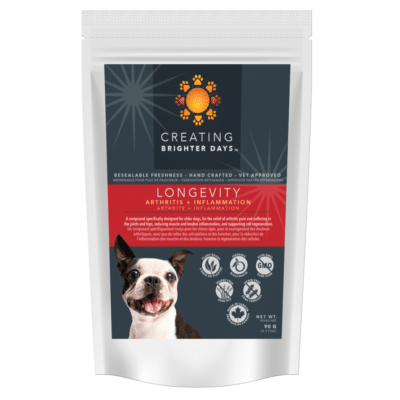
Key Ingredients in High-Quality Pet Nutraceuticals
Walking through the aisles of a store like Kush Station, you will see bottles labeled for joint supplements, calming chews, and everyday wellness. The ingredients that appear most consistently in the best products are worth knowing by name.
- Full spectrum CBD from cannabis sativa. Unlike isolates, full spectrum CBD includes a range of cannabinoids and terpenes that work together. For dogs, this can mean better support for anxiety, inflammation, and general comfort. The key is sourcing from organically grown hemp to avoid solvent residues.
- Turmeric and curcumin. A potent anti-inflammatory that pairs well with black pepper or a fat source like hemp seed oil for absorption. I use a turmeric-based cbd treats for dogs that combines both, and the difference in my dog's stiffness after a long walk is noticeable.
- Glucosamine and chondroitin. These are the classic joint support compounds, often derived from shellfish. Green-lipped mussel is a particularly good source because it provides both plus additional omega-3 fatty acids. For older dogs with arthritis, this combination can restore mobility.
- Probiotics and adaptogens. Gut health drives immune function and mood. Probiotics help maintain a balanced microbiome, while adaptogens like ashwagandha or reishi mushroom help the body handle stress. I have found that adding a probiotic to my dog's routine reduced her seasonal allergies noticeably.
- Fish oil and hemp seed oil. Both provide omega-3 fatty acids, but hemp seed oil offers a plant-based alternative for dogs with fish allergies. It also contains gamma-linolenic acid, which supports skin and coat health.
The Difference Between Synthetic and Organic Sources
One of the most common mistakes I see is assuming that a supplement is effective simply because it contains a listed ingredient. The reality is more nuanced. Synthetic vitamins and minerals are often cheaper to produce, but they may not be recognized by the body in the same way as their organic counterparts. For example, synthetic vitamin E is frequently derived from petrochemicals, while natural vitamin E comes from vegetable oils. The natural version is more bioavailable.
This is especially relevant for organic pet supplements that rely on whole-food bases. A mushroom supplement grown on organic substrate will have a different mineral profile than one grown on chemically treated grain. The same holds for cannabis sativa extracts used in calming chews. If the plant was fed synthetic fertilizers, the resulting CBD or other cannabinoids may carry traces of those chemicals. Full spectrum CBD from organically grown hemp avoids that problem entirely.
Senior Dog Health and Joint Support
My own dog is eleven years old now, and her needs have shifted from high-energy play to gentle mobility and comfort. Senior dog health is where organic pet supplements really shine. Joint supplements containing glucosamine, chondroitin, and green-lipped mussel can slow cartilage breakdown, but only if the ingredients are pure enough to be absorbed. I have tried cheaper alternatives that did nothing, and I suspect it was because the chondroitin was hydrolyzed into fragments too small to work.
CBD treats for dogs have also become a staple in our household. A full spectrum CBD chew given half an hour before a stressful event, like a vet visit or a thunderstorm, visibly calms her without sedation. The key is consistency and quality. I stick with products from Kush Station because they carry organic certification on their hemp-derived items, and I can verify the lab reports. Knowing the CBD is extracted without hexane or other harsh solvents matters when I am putting it into my dog's body every day.
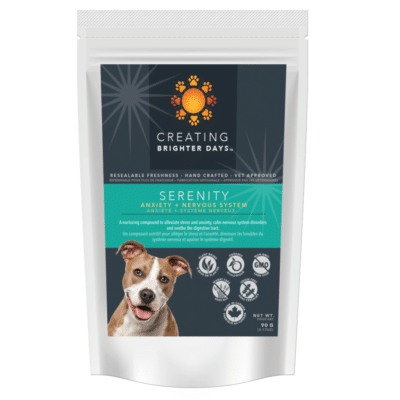
How to Choose the Right Product
With so many options on the market, a few simple guidelines can save you time and money. First, look for third-party testing. A brand that publishes lab results for potency and contaminants is usually more trustworthy. Second, check the source of each ingredient. If a label says "turmeric" but does not specify whether it is organic, there is a good chance it was grown with synthetic inputs. Third, consider the form. Calming chews are convenient, but powders or oils allow you to adjust the dose more precisely.
I also recommend starting with one product at a time. If you add a joint supplement, a probiotic, and a calming chew all at once, you will not know which one is helping or causing a reaction. Give each new addition two to four weeks before evaluating. And always consult your veterinarian, especially if your dog is on medication or has a chronic condition. The goal is support, not replacement of medical care.
The Role of Adaptogens and Mushrooms
Adaptogens are a newer category in pet care, but they have a long history in human wellness. Reishi, lion's mane, and cordyceps are mushroom supplements that can support immune modulation, cognitive function, and energy metabolism respectively. When combined with organic pet supplements, they offer a gentle way to address stress without the side effects of pharmaceutical sedatives. I use a reishi-based product for my dog during fireworks season, and it works better than any over-the-counter calming aid I tried before.
Mushrooms are also a source of beta-glucans, which support immune health. For older dogs whose immune systems may be weakening, that extra support can make a difference. Just be sure the mushroom powder is from the fruiting body, not just mycelium grown on grain, which is less potent. Organic certification helps ensure you are getting the real thing.

Putting It All Together
At the end of the day, choosing organic pet supplements is about reducing the chemical load on your pet while maximizing the nutritional benefit. It is not about chasing trends or spending more money for the sake of it. It is about recognizing that the same principles that guide our own food choices, whole foods, clean sourcing, and minimal processing, apply just as much to the animals we care for.
Whether you are looking at fish oil for a shiny coat, glucosamine for creaky joints, or CBD treats for dogs to ease anxiety, the foundation matters. A product built on organic hemp seed oil, organic turmeric, and organic mushrooms will almost always outperform a synthetic knockoff. And when you find a retailer like Kush Station that prioritizes organic certification and transparency, the decision becomes even easier. Your dog will thank you with more tail wags and better mornings.